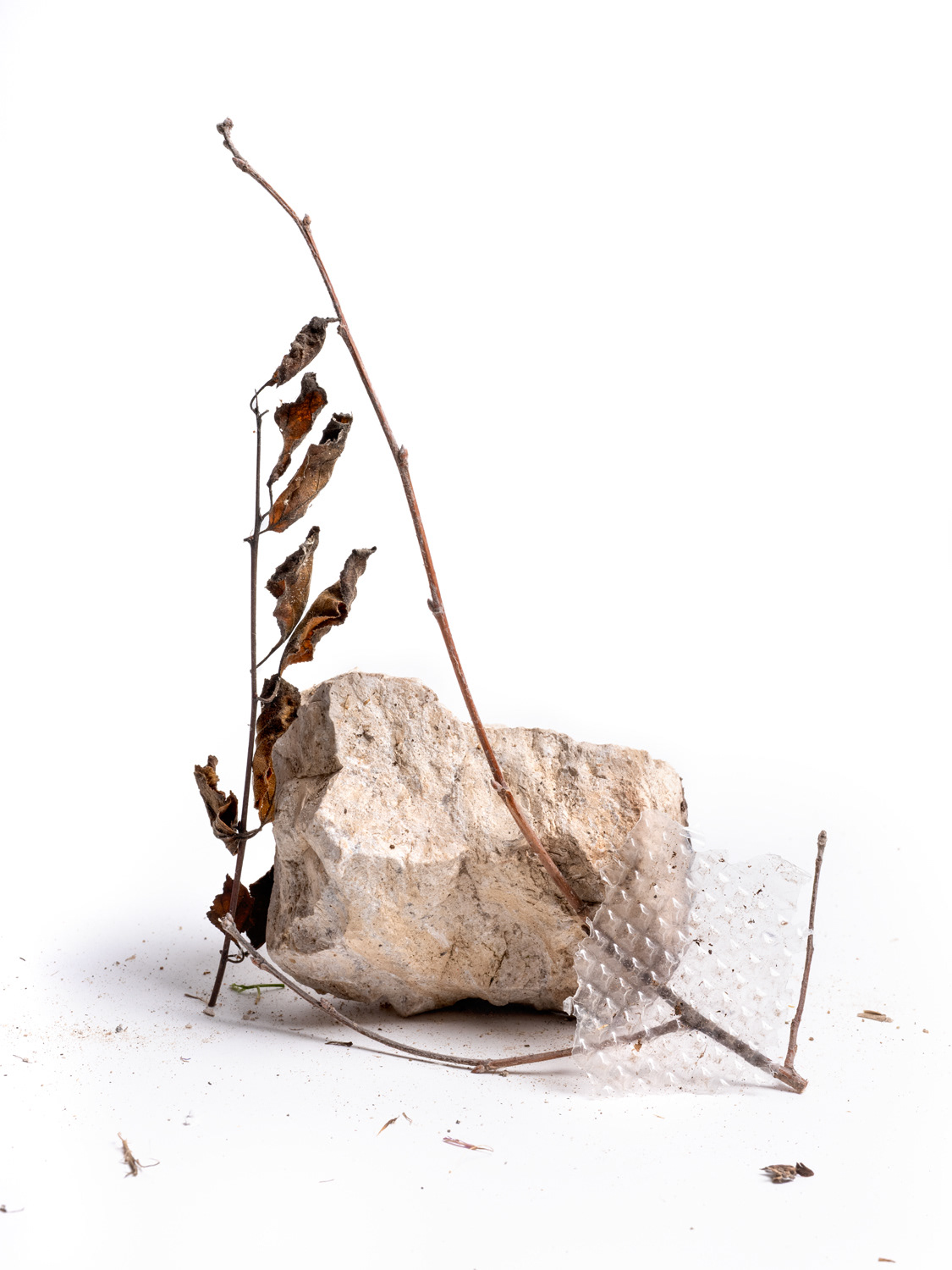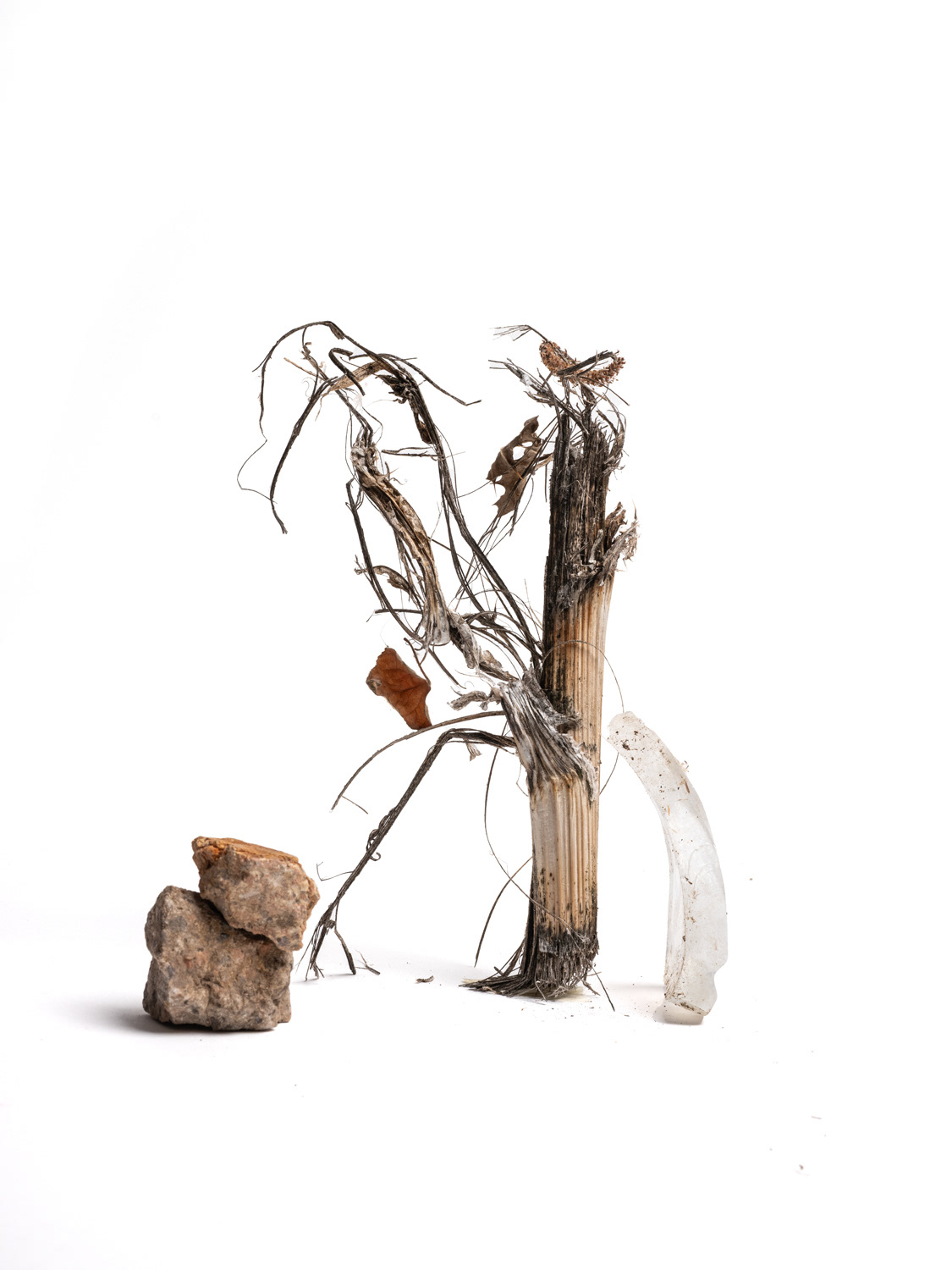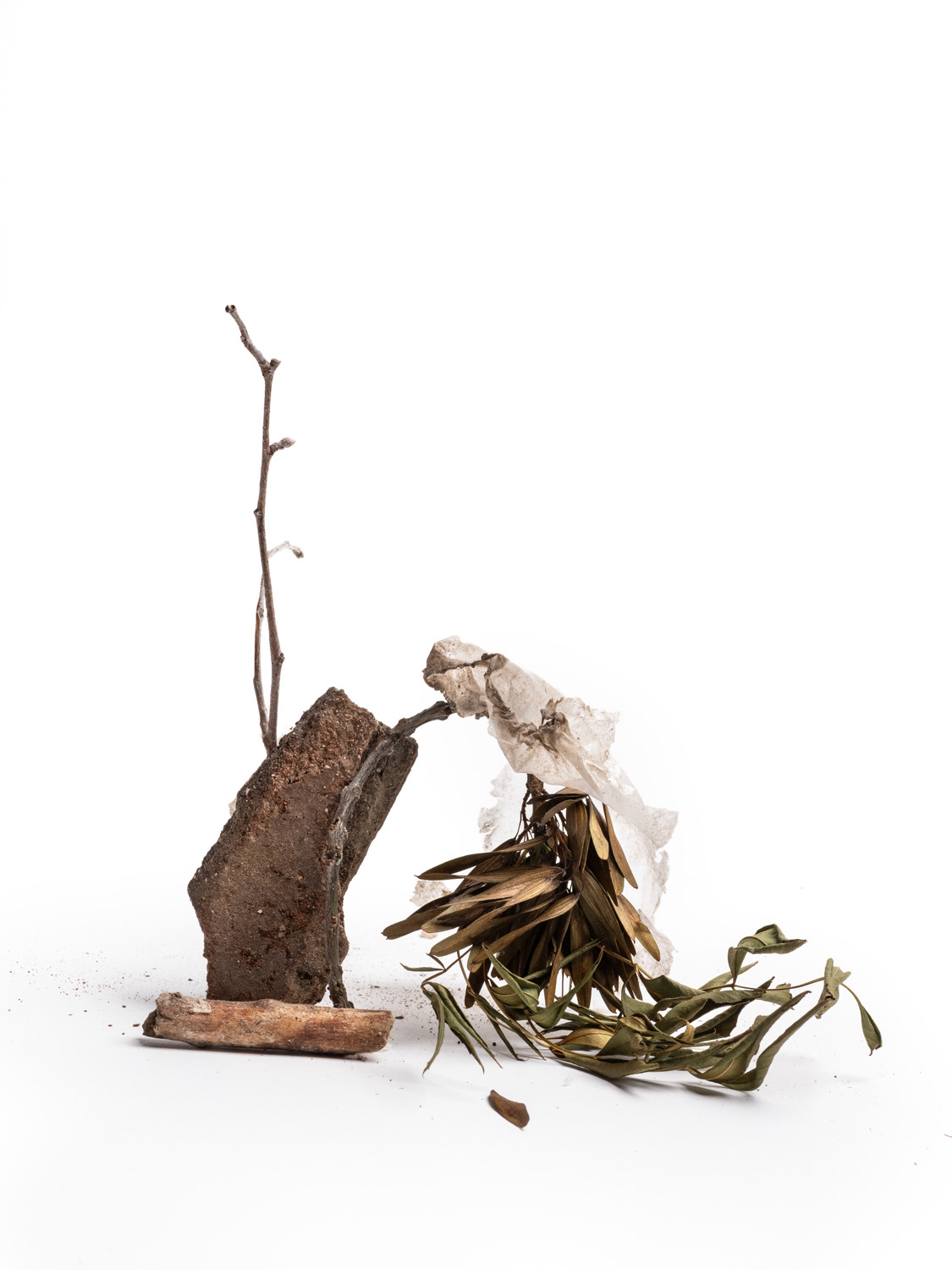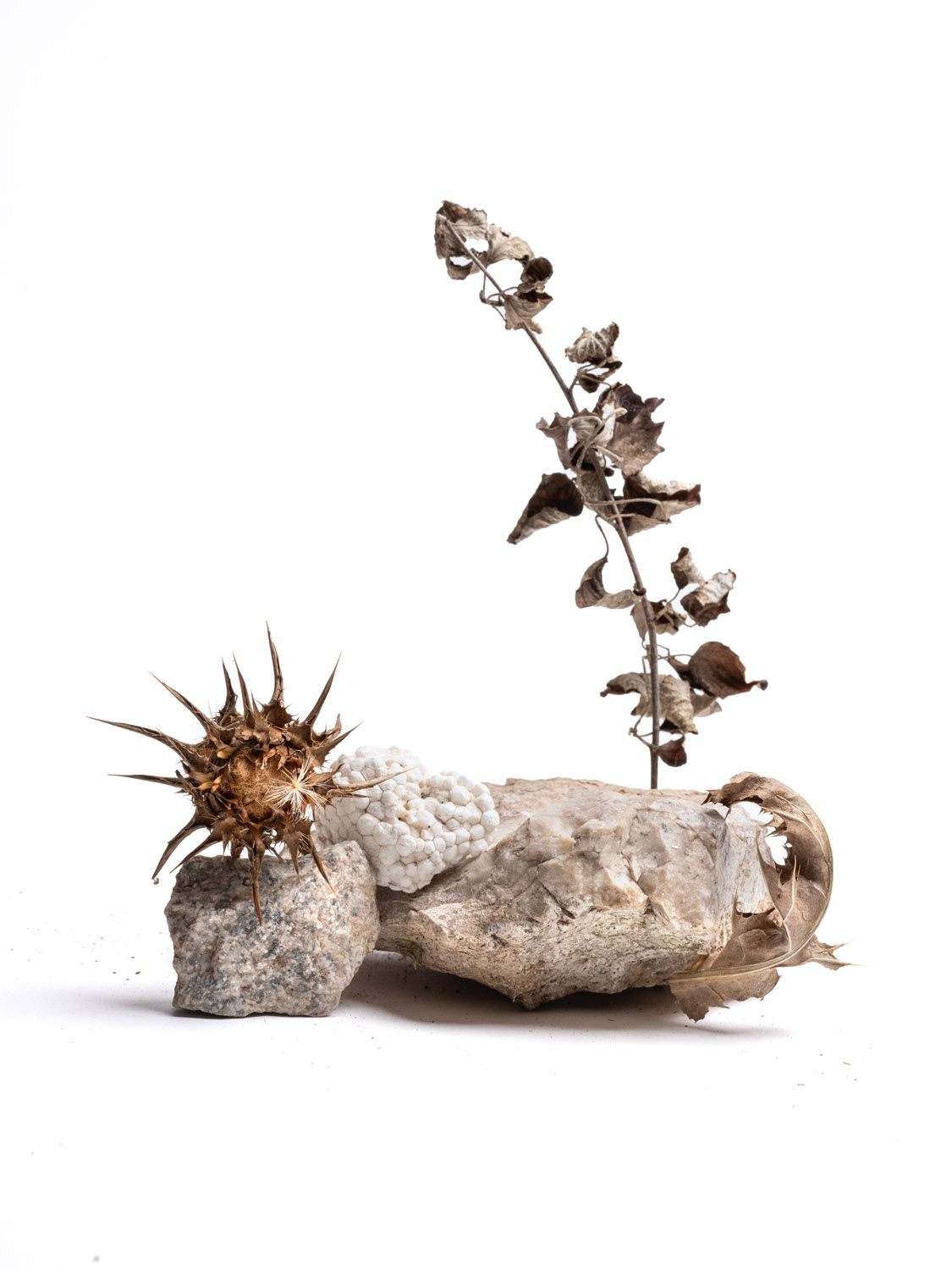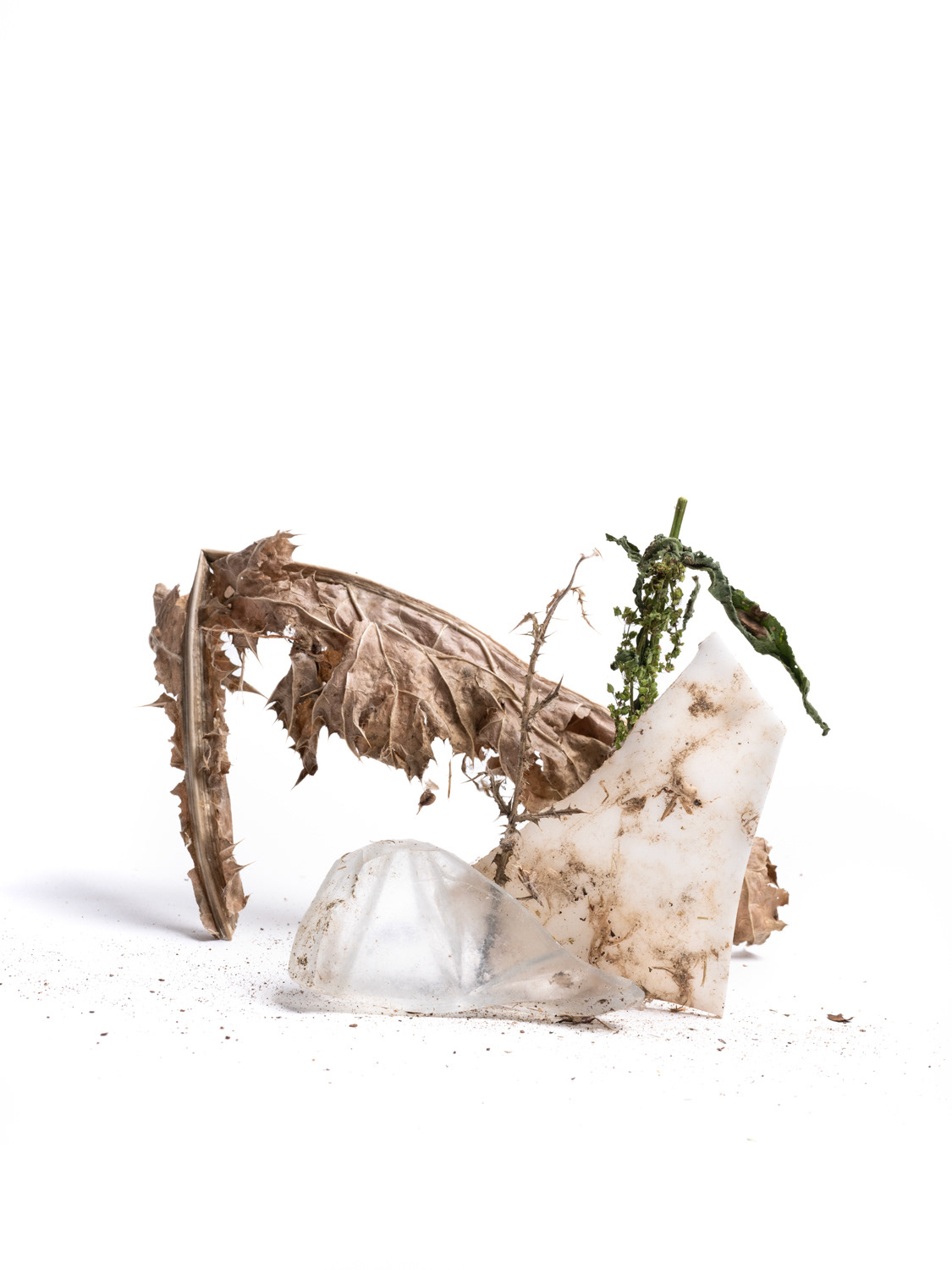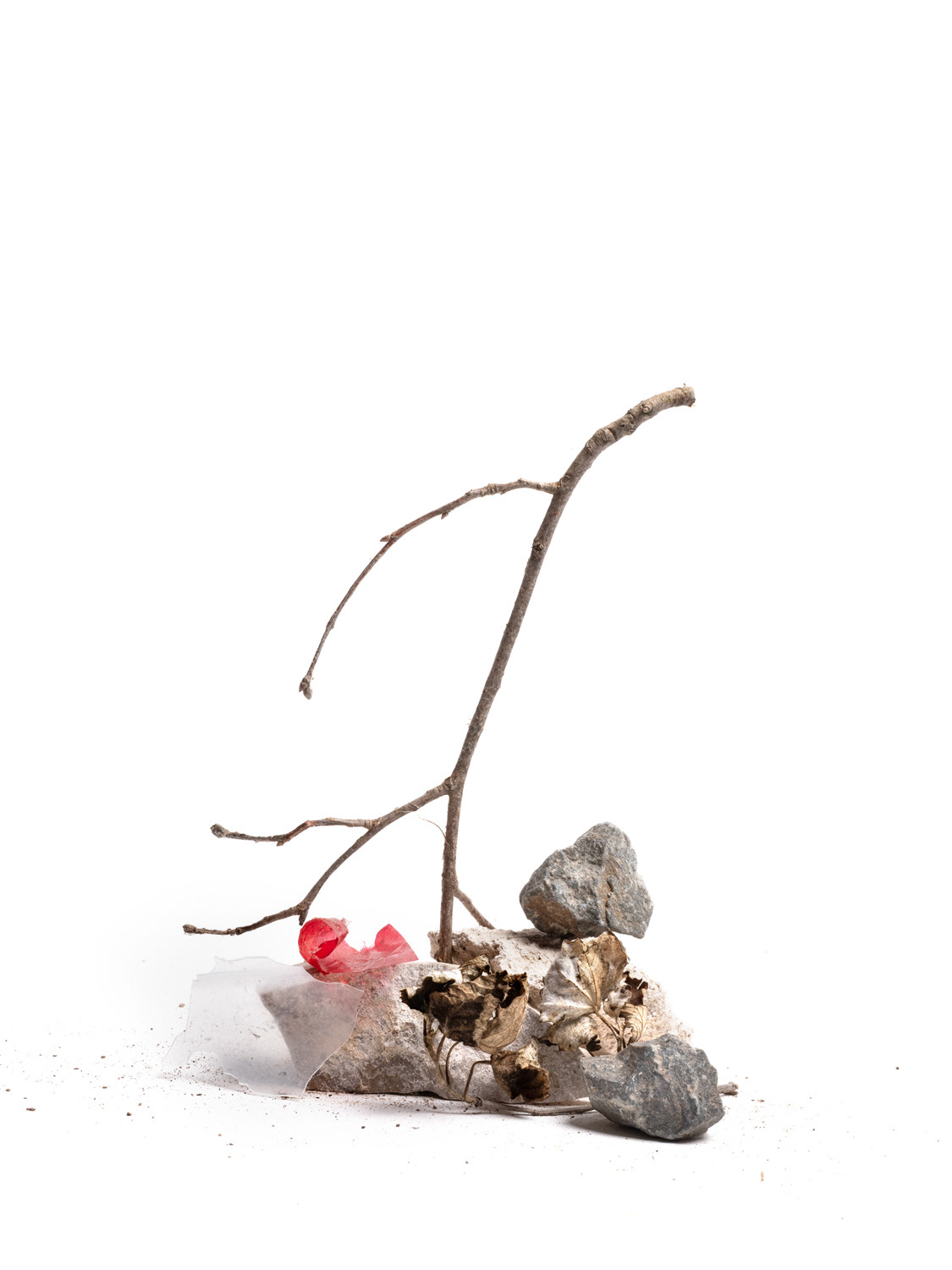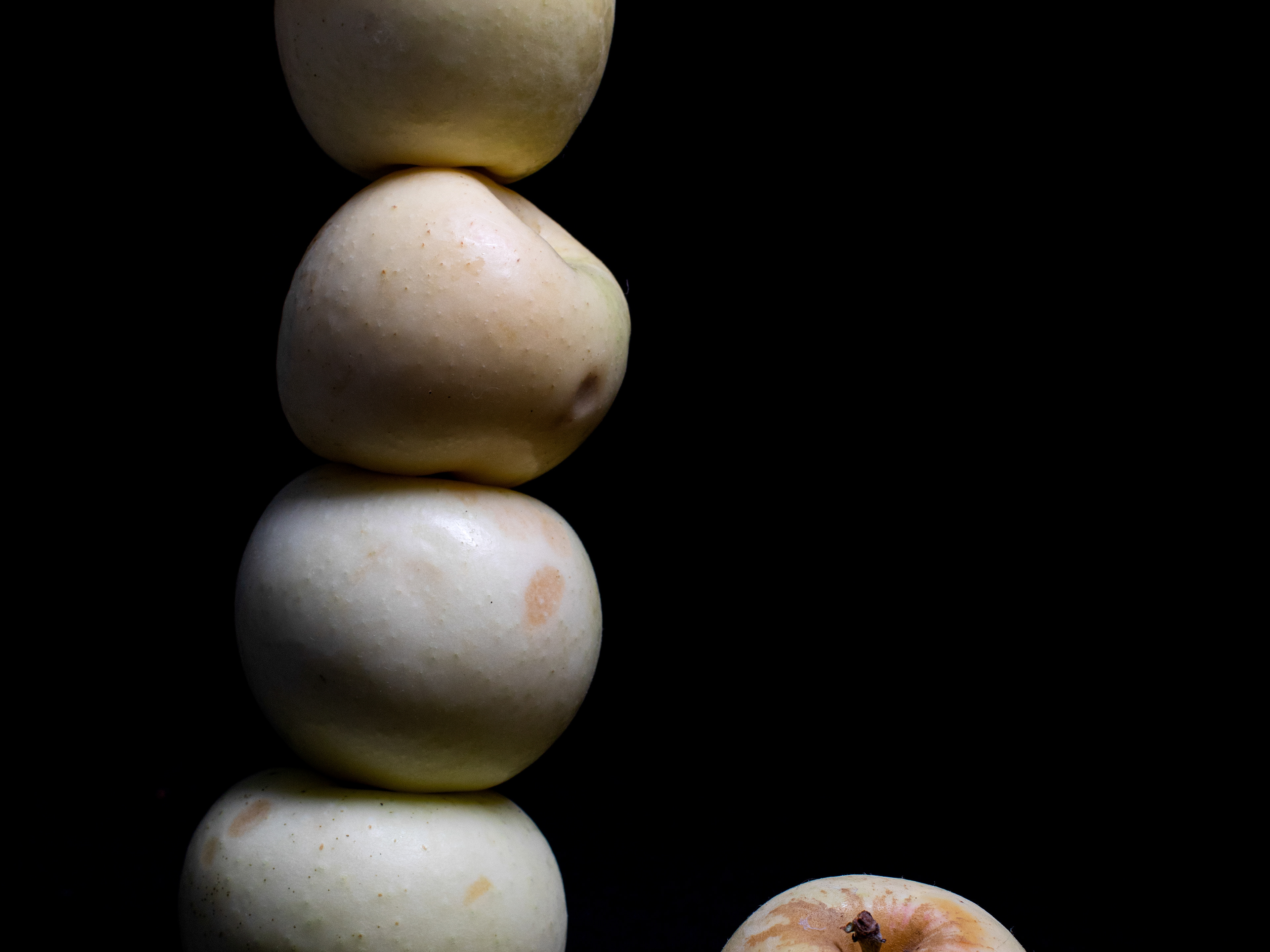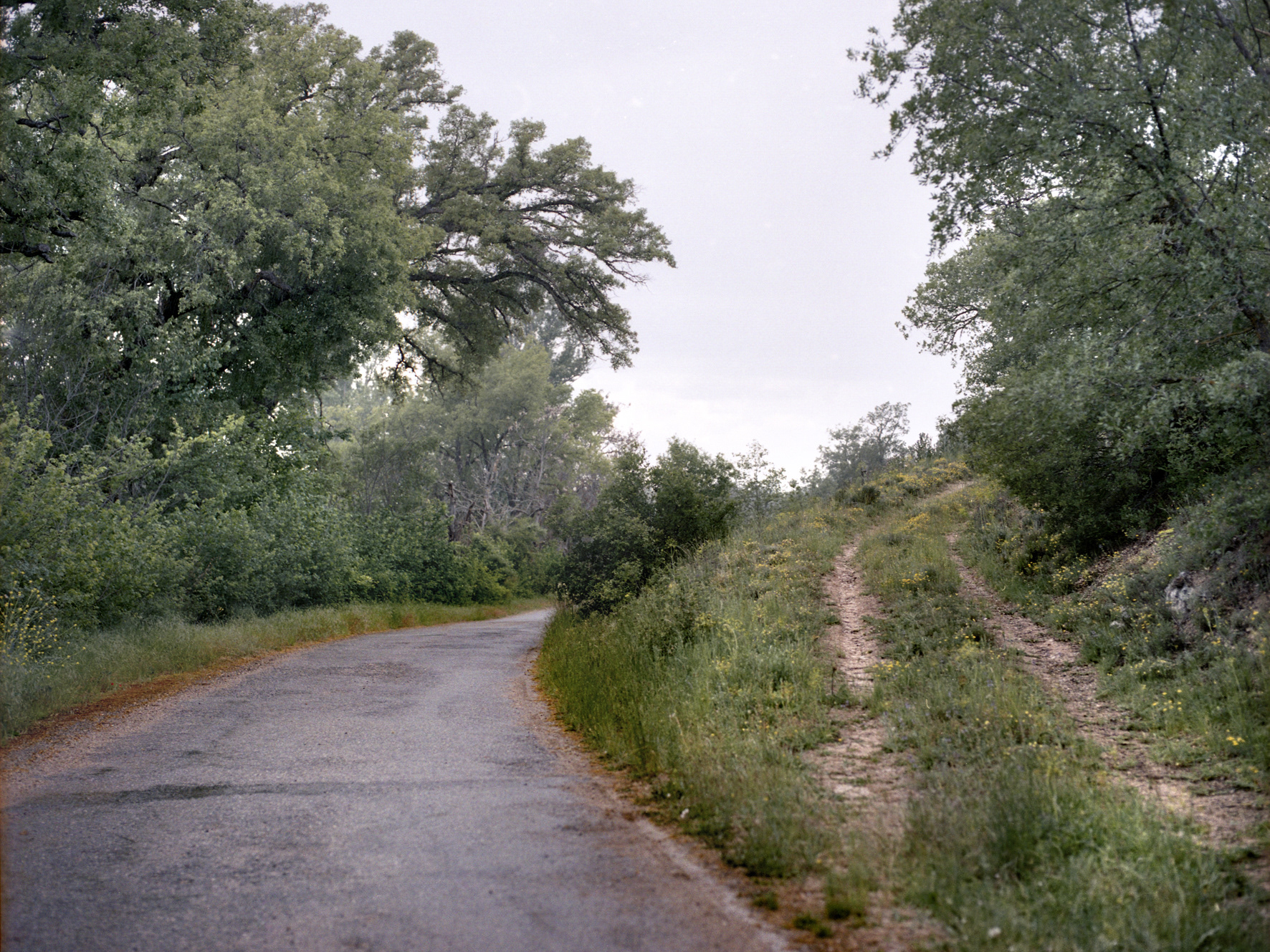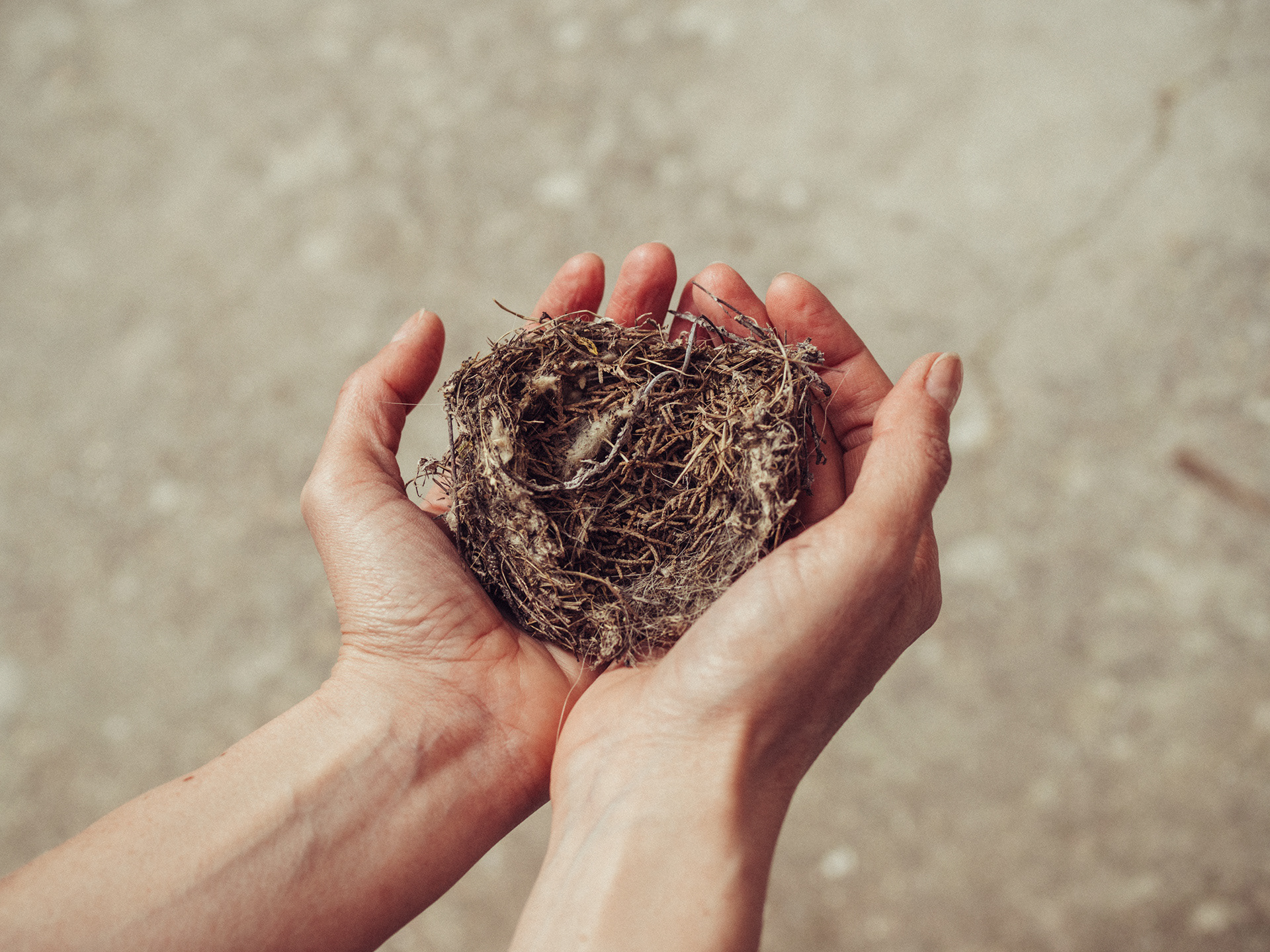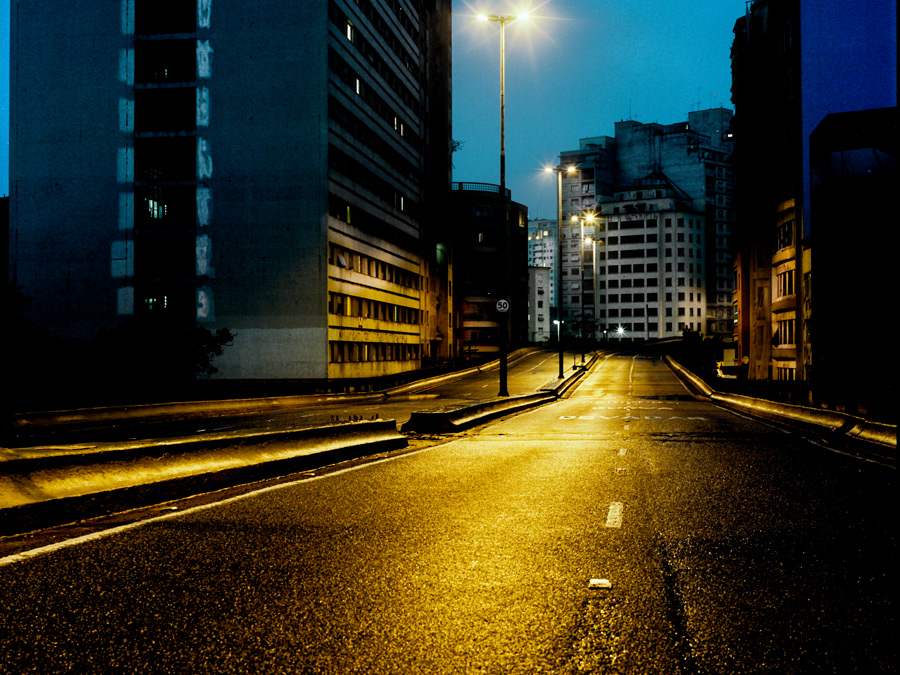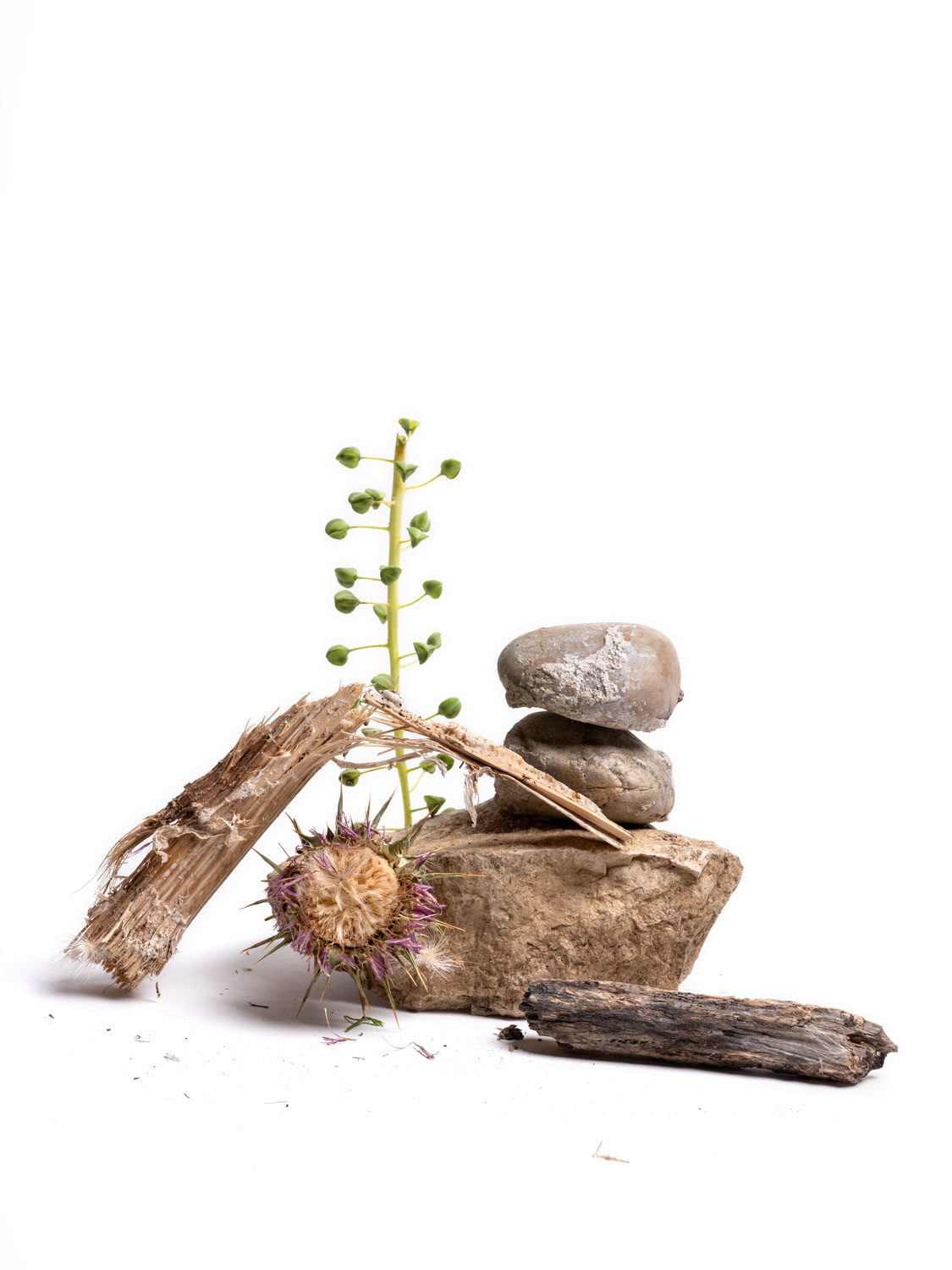
Equilibrio inestable es una serie fotográfica construida a partir de naturalezas muertas contemporáneas compuestas con objetos encontrados durante paseos por las riberas de los ríos Arevalillo y Adaja, en Arévalo (Ávila, España). Estos recorridos forman parte de una práctica estética que atraviesa mi trabajo: caminar como una forma de exploración artística y de reflexión sobre el territorio y la naturaleza.
Fragmentos naturales y artificiales —plantas, piedras, piezas de plástico, poliestireno, telas— son recogidos y reconfigurados en composiciones que remiten a la tradición del bodegón. Dispuestos sobre un fondo blanco e iluminados con una luz neutra, casi forense, estos elementos son fotografiados como si fueran objetos de estudio.
Inspiradas, por un lado, en el lenguaje visual del Barroco y, por otro, en las mesas de luz utilizadas en los laboratorios forenses, estas naturalezas muertas proponen una reflexión sobre la fragilidad del equilibrio entre la naturaleza y la acción humana. Los elementos, aunque diferentes en su origen y su forma, se sostienen mutuamente, creando un instante de aparente armonía.
Sin embargo, ese equilibrio es ilusorio: solo perdura el tiempo que tarda el obturador en abrirse y cerrarse, una ciento veinticincoava parte de un segundo. Después, la composición se derrumba. Lejos de representar una verdad estática, la fotografía revela aquí su propia paradoja: captura un instante de estabilidad que, en realidad, nunca ha existido.
Equilibrio inestable pone de manifiesto la tensión latente entre la presencia humana y la naturaleza, y sugiere que dicha presencia no se integra en el paisaje —aunque pueda parecerlo—, sino que lo perturba, lo transforma y, con frecuencia, altera de forma irreversible su delicado equilibrio.
Unstable Balance is a photographic series composed of contemporary still lifes created from objects found during walks along the banks of the Arevalillo and Adaja rivers in Arévalo (Ávila, Spain). These walks form part of an artistic practice that runs throughout my work: walking as a mode of artistic exploration and a way of reflecting on both landscape and nature.
Natural and artificial fragments—plants, stones, pieces of plastic, polystyrene, and fabric—are collected and reconfigured into compositions that evoke the tradition of the still life. Arranged against a white background and illuminated with a neutral, almost forensic light, these elements are photographed as though they were objects of scientific examination.
Drawing, on the one hand, from the visual language of the Baroque and, on the other, from the light tables used in forensic laboratories, these still lifes invite a reflection on the fragility of the balance between nature and human intervention. Although different in origin and form, the elements support one another, creating a fleeting moment of apparent harmony.
Yet this balance is illusory: it exists only for the brief instant it takes the shutter to open and close—one one-hundred-and-twenty-fifth of a second. Afterwards, the composition collapses. Rather than representing a fixed truth, the photograph reveals its own paradox: it captures a moment of stability that, in reality, never existed.
Unstable Balance exposes the latent tension between human presence and the natural world, suggesting that such presence does not become integrated into the landscape—as it may appear—but instead disrupts it, transforms it, and often irreversibly alters its delicate balance.