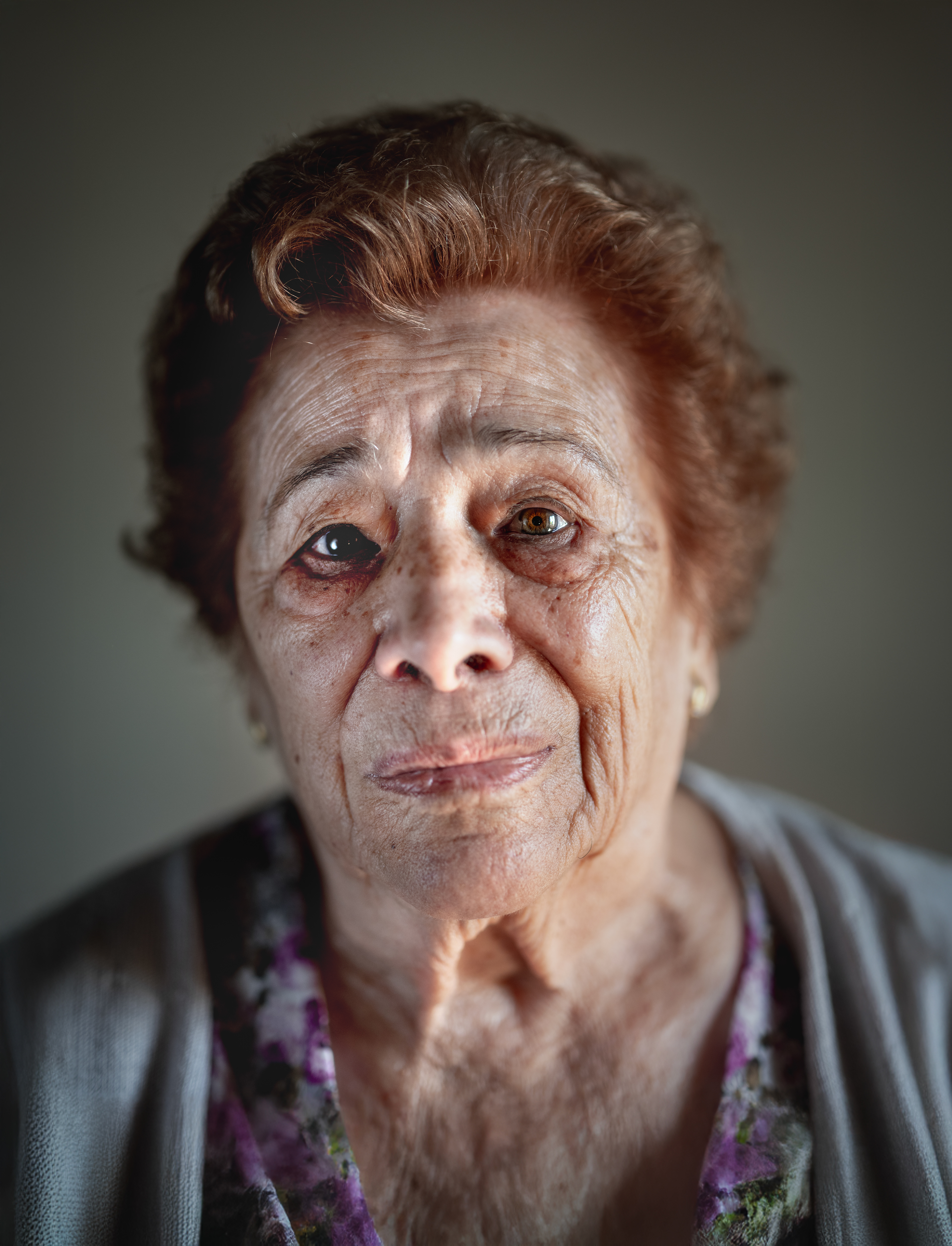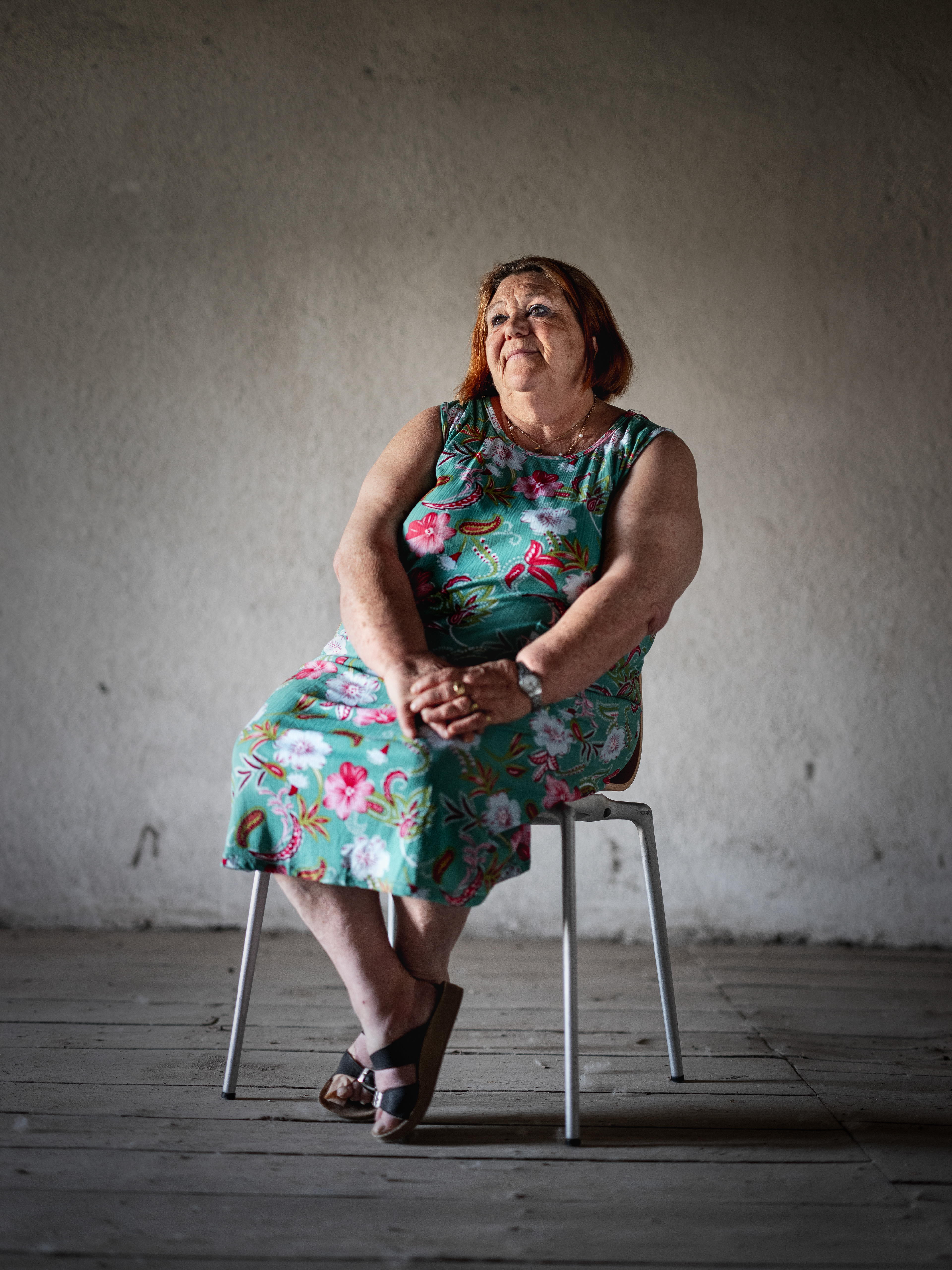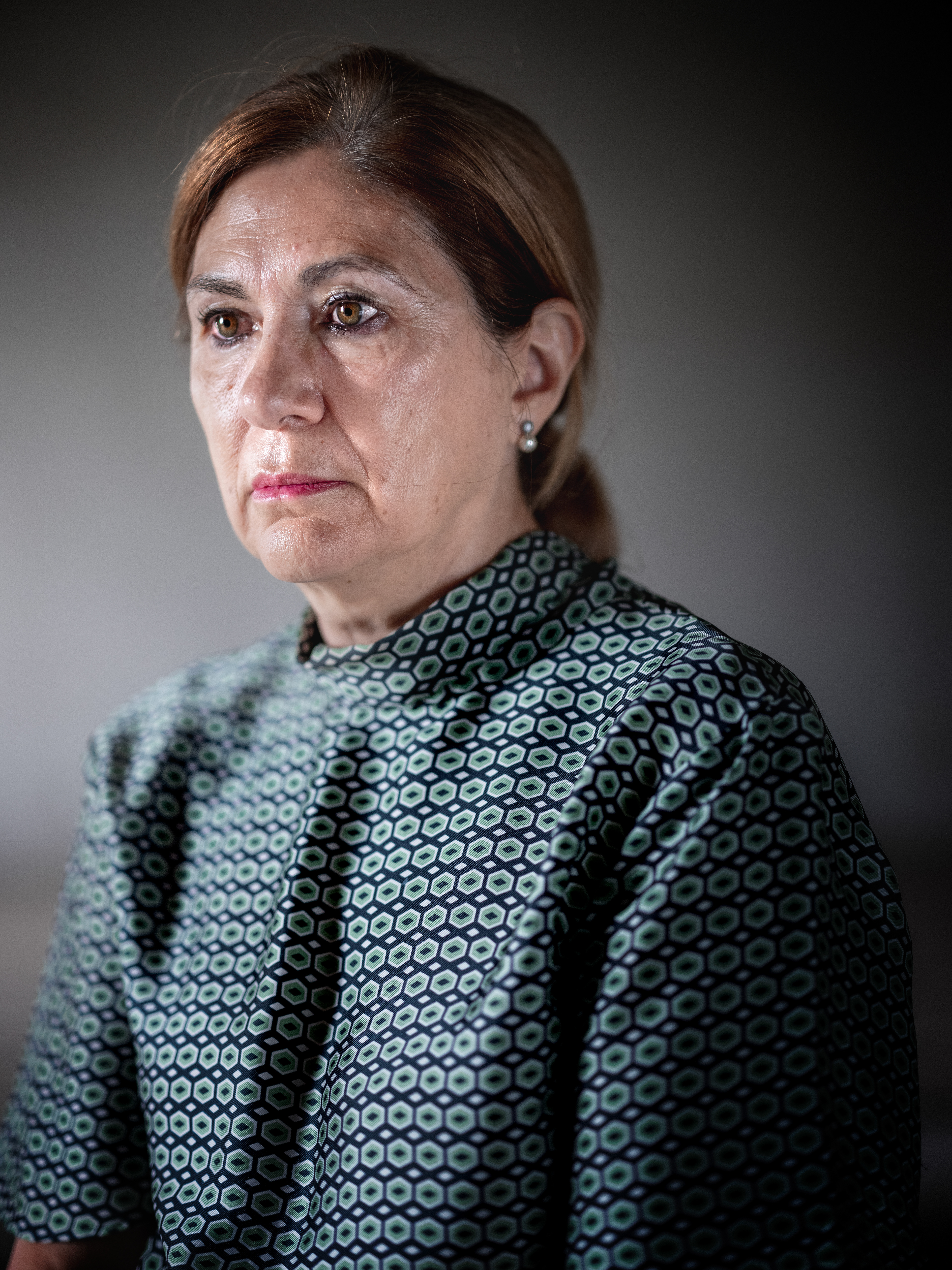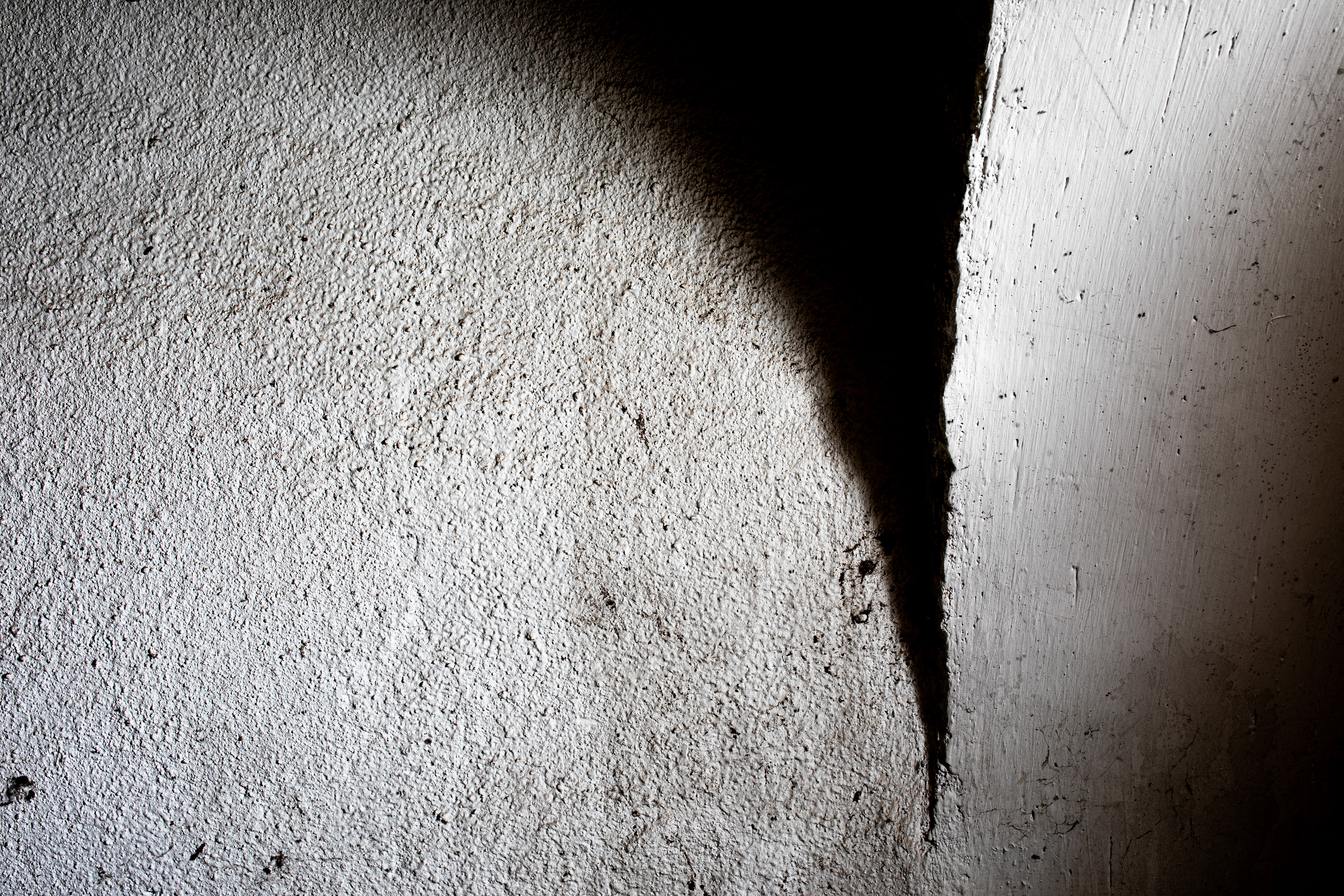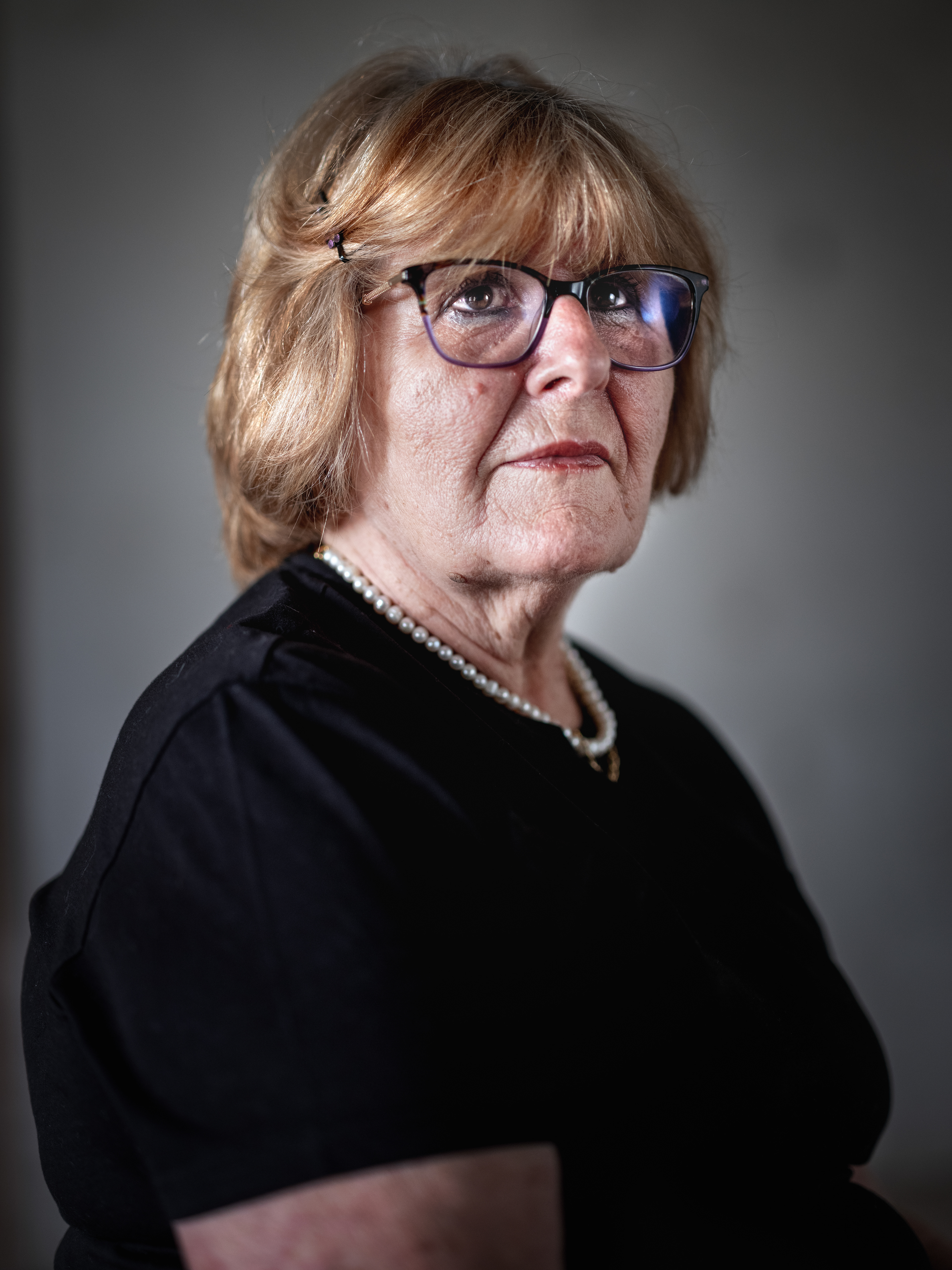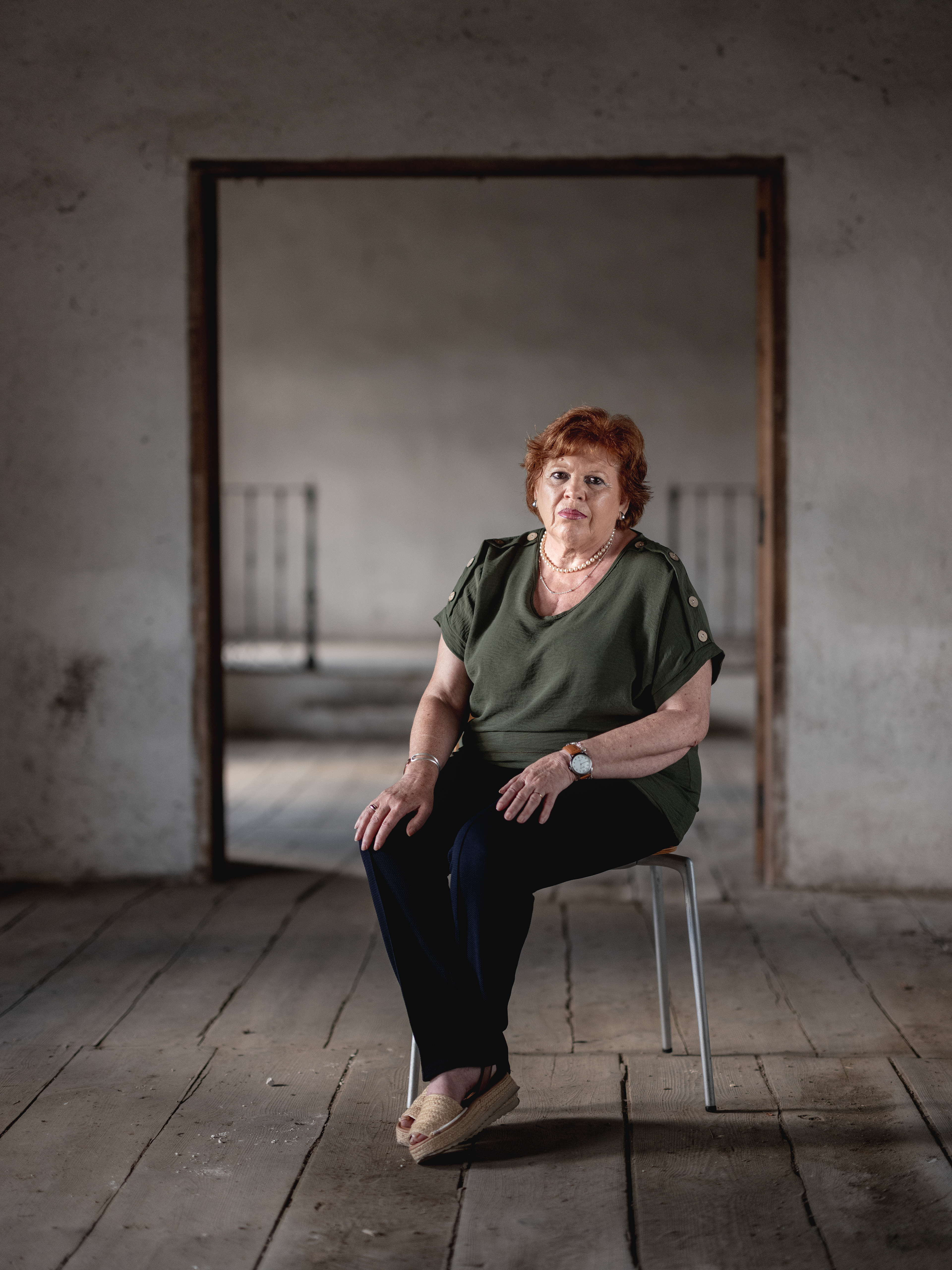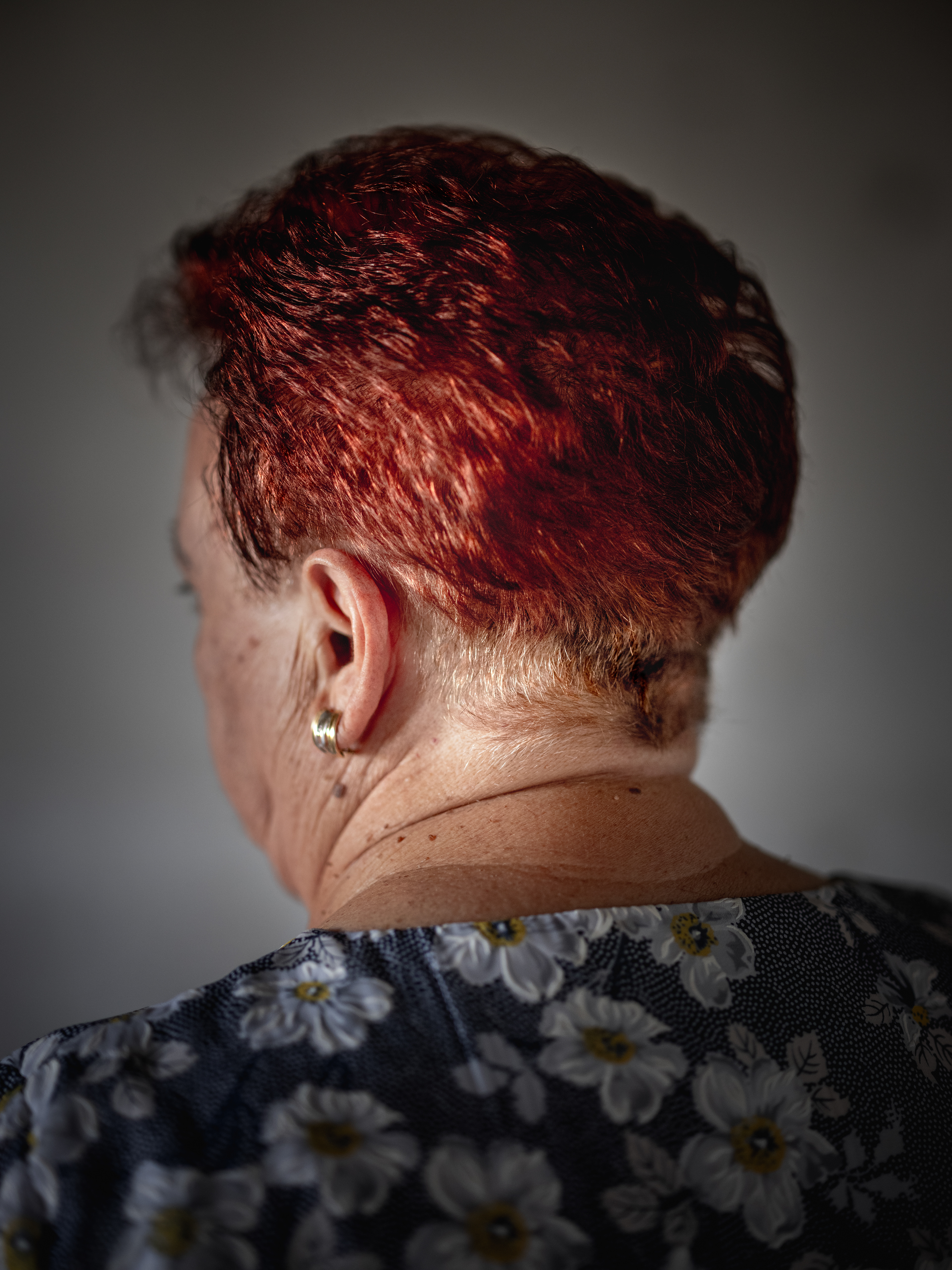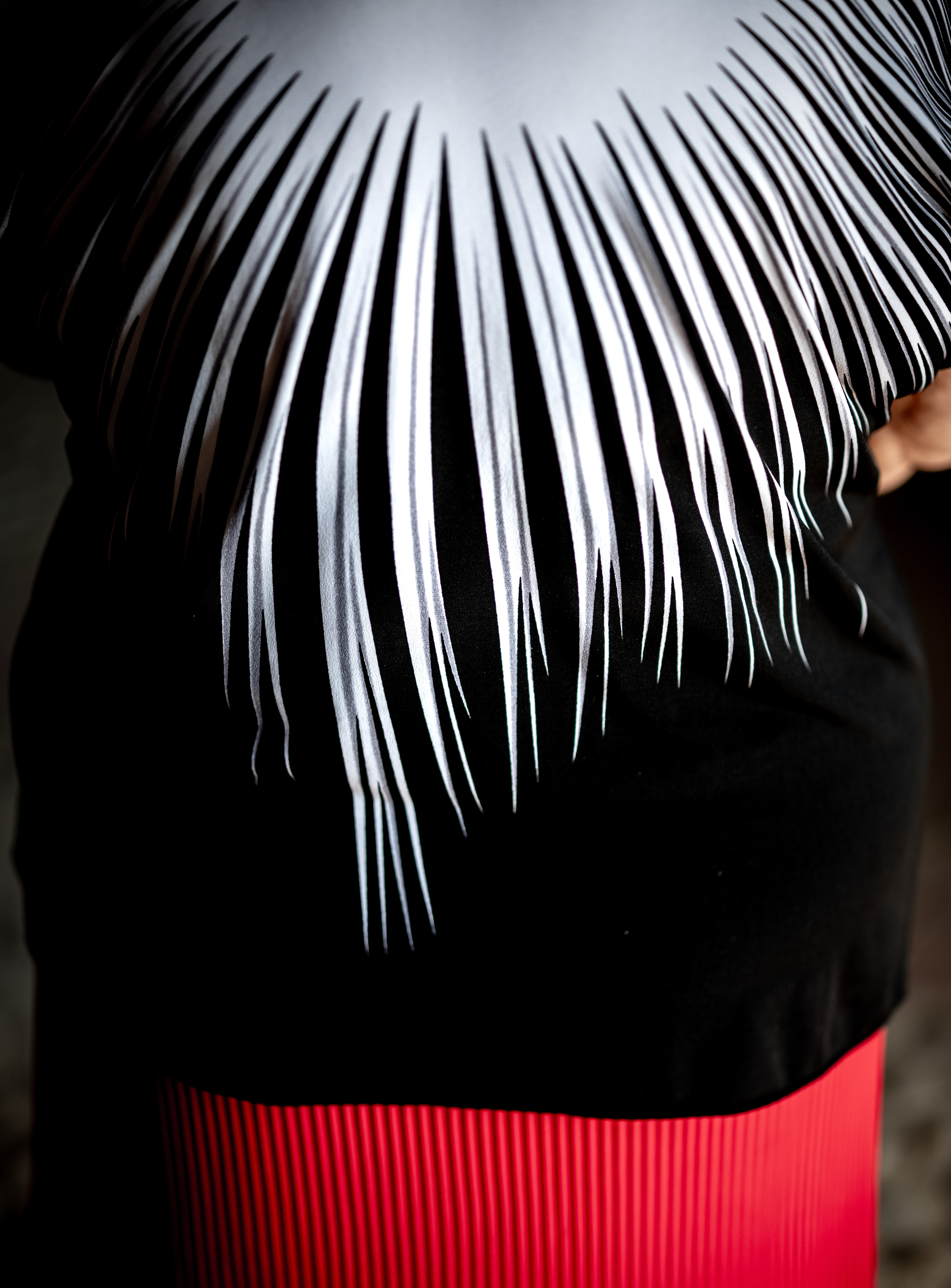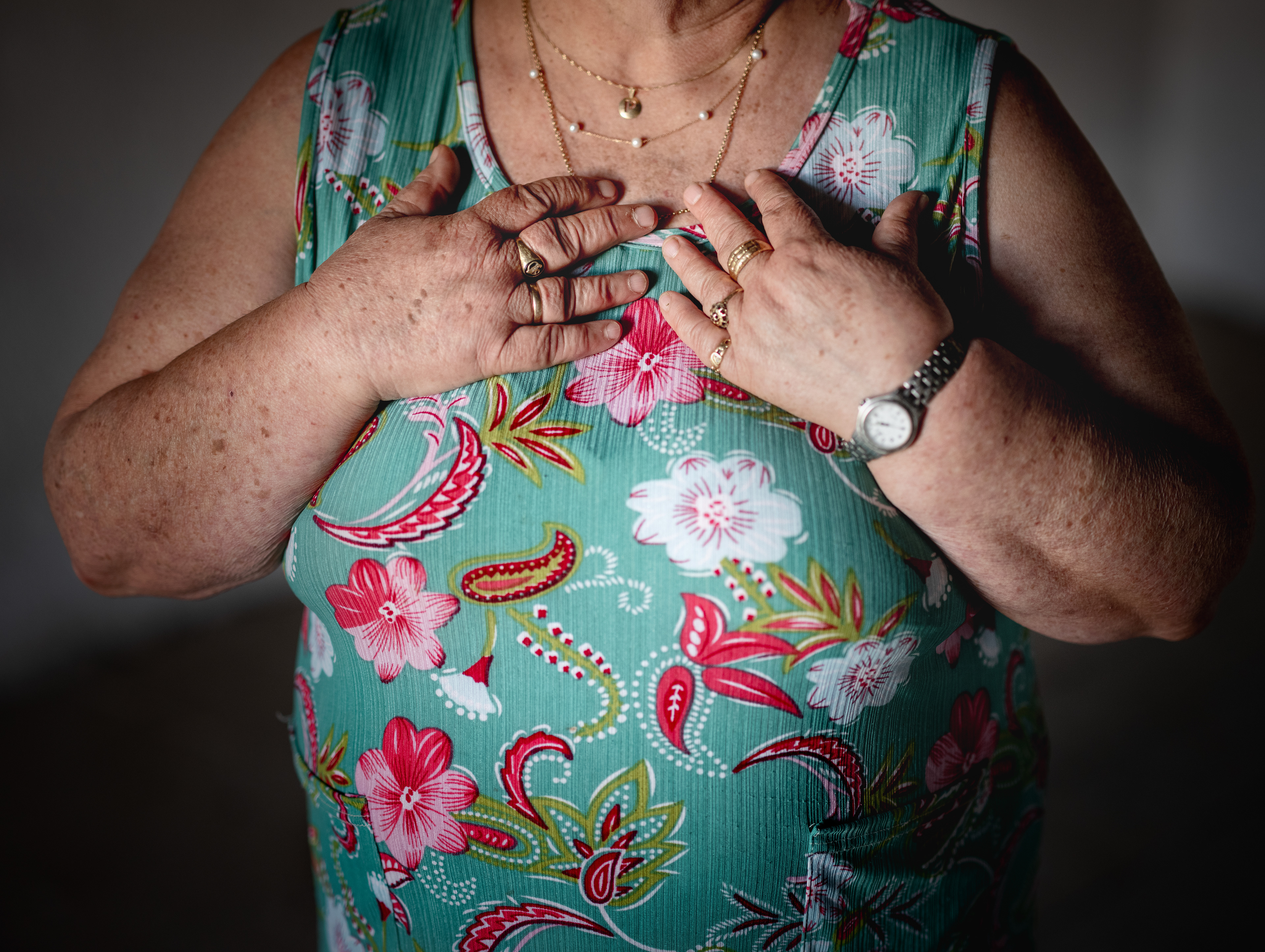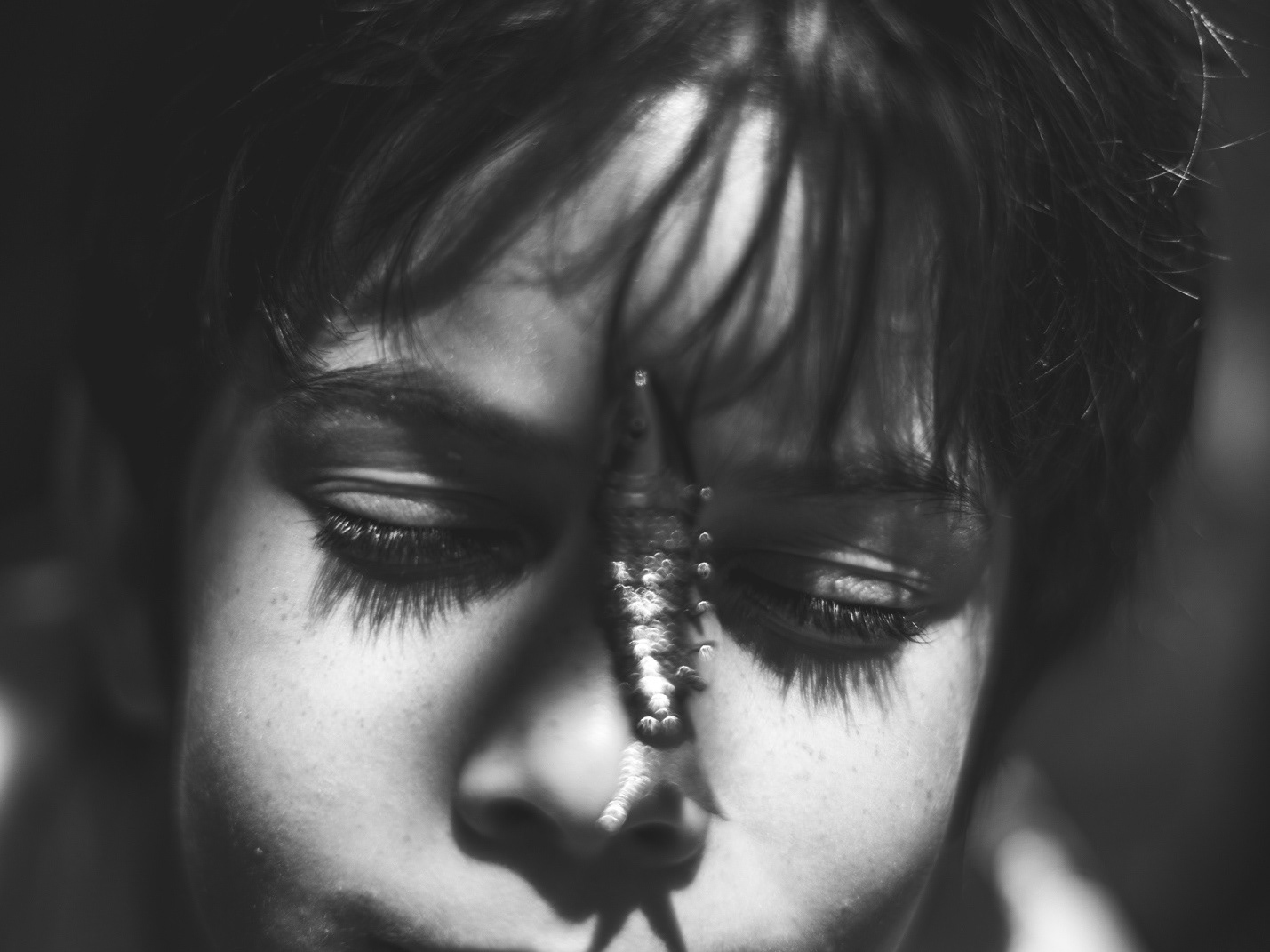
Huellas es un ensayo fotográfico con una triple vocación: retratar solemnemente a personas históricamente infrarrepresentadas, resignificar un espacio excluyente y ampliar el retrato fotográfico hacia cuerpos diversos.
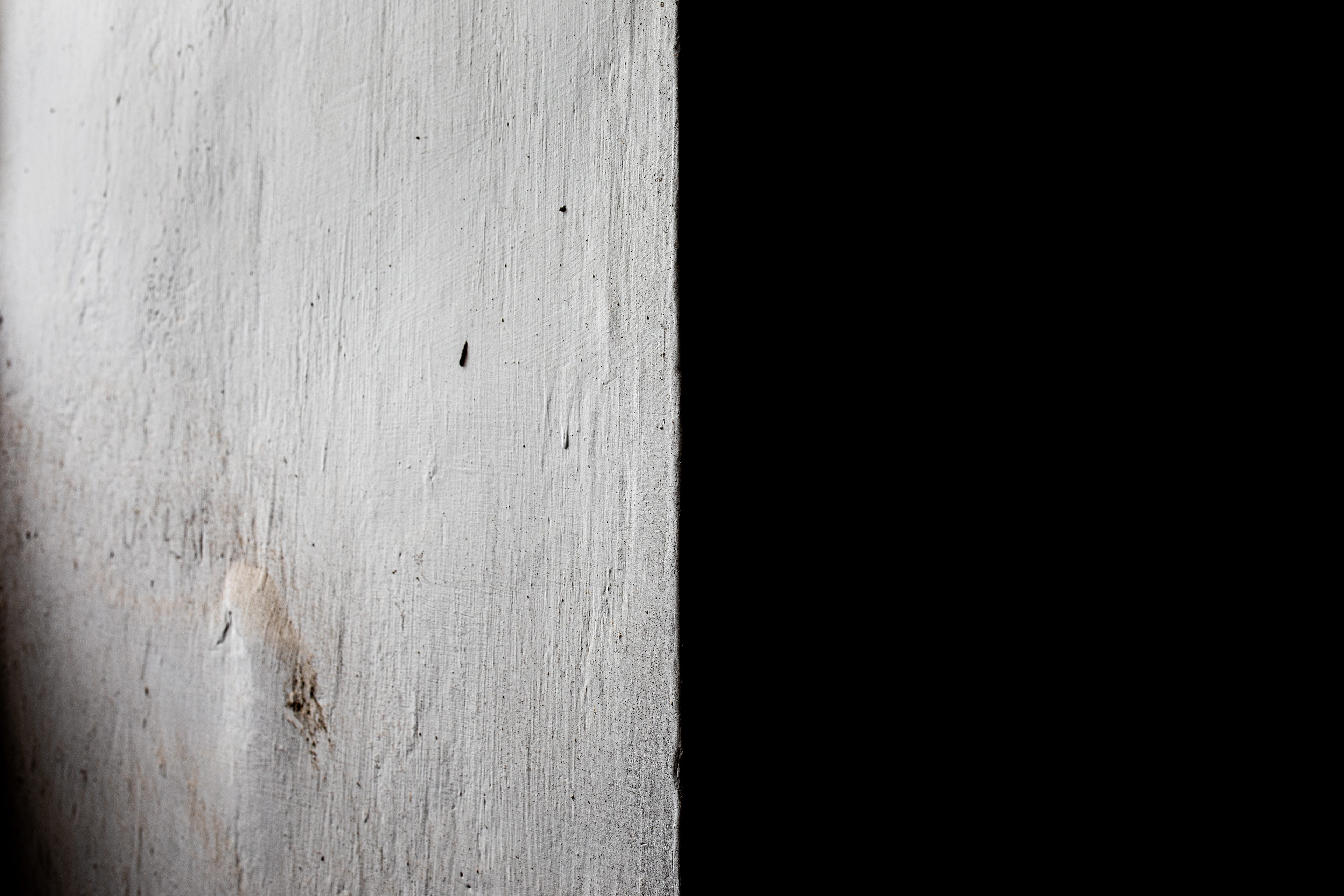
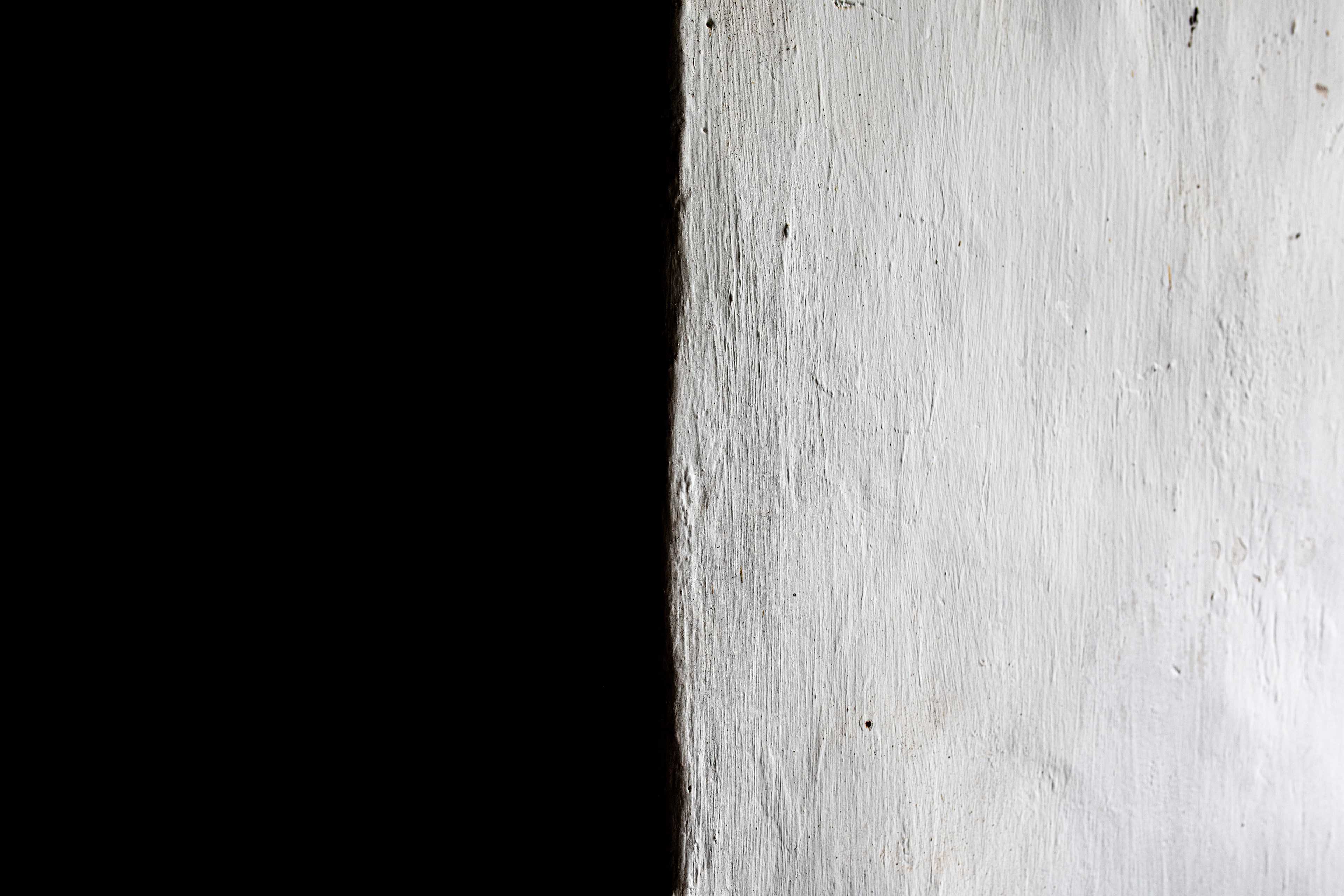
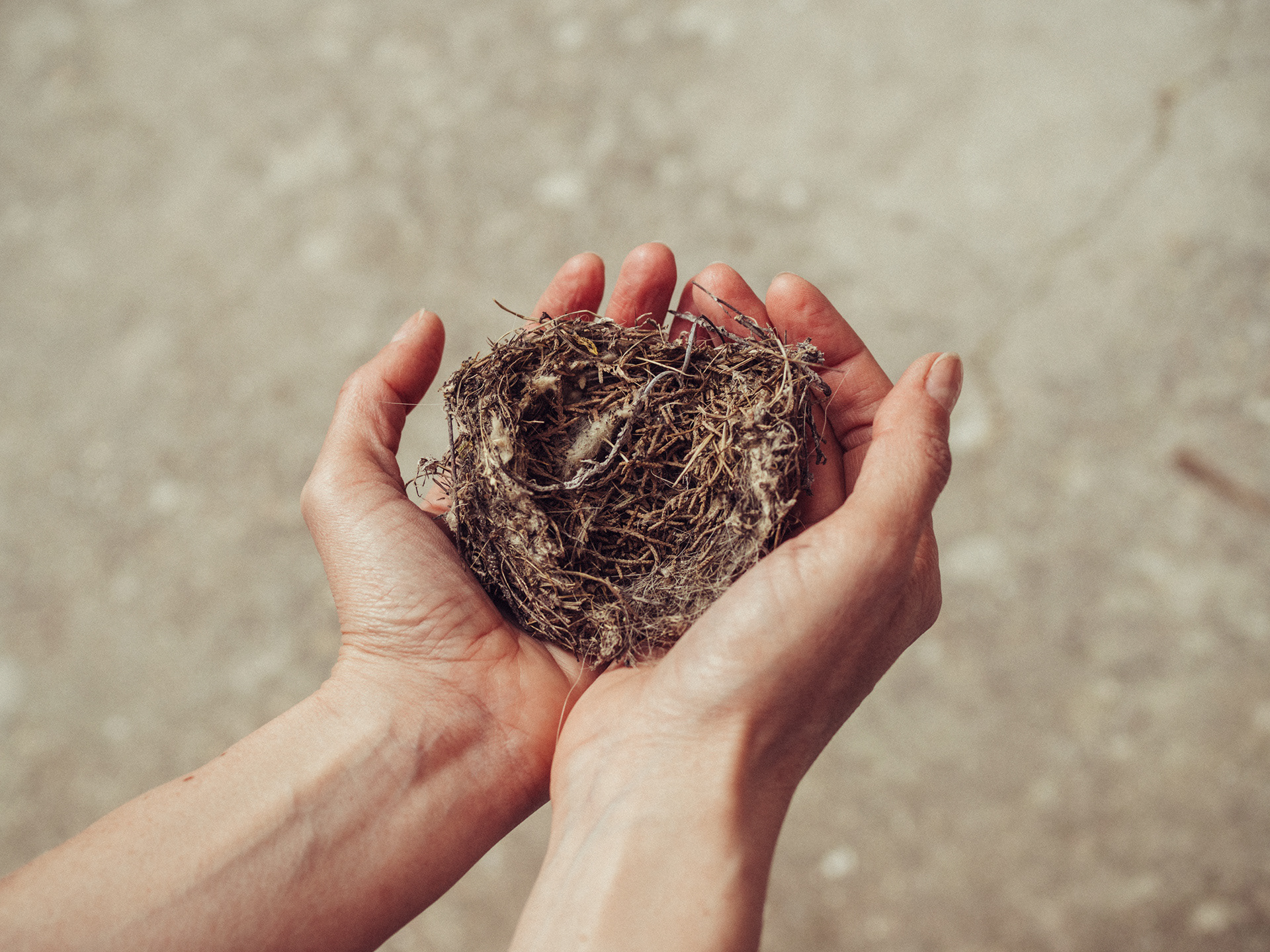
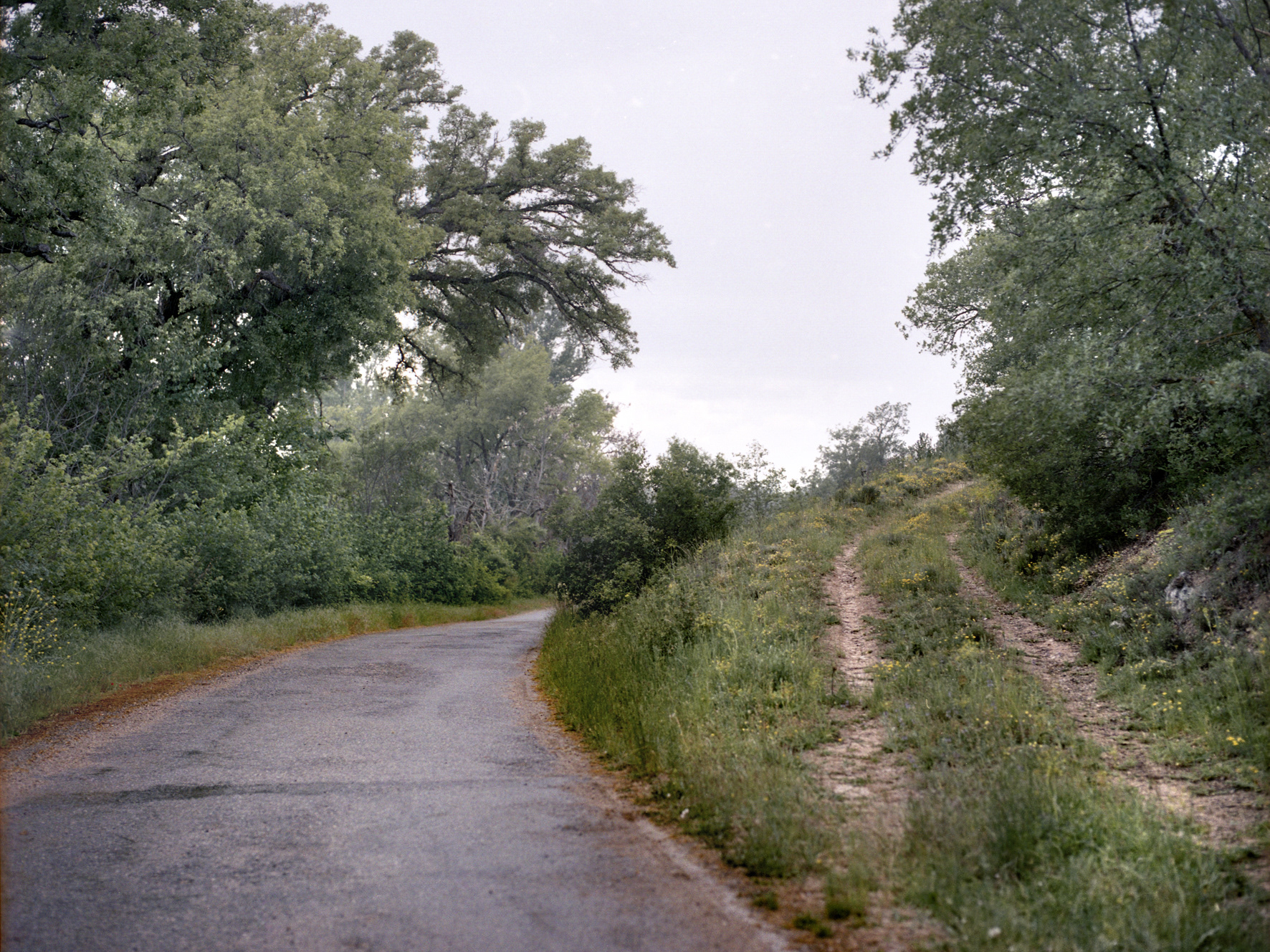
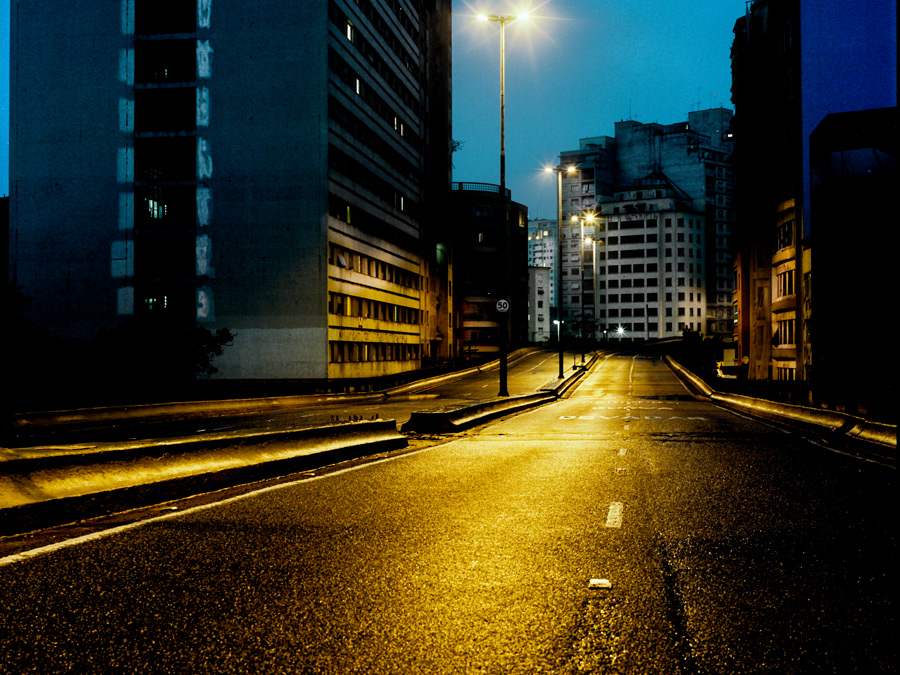
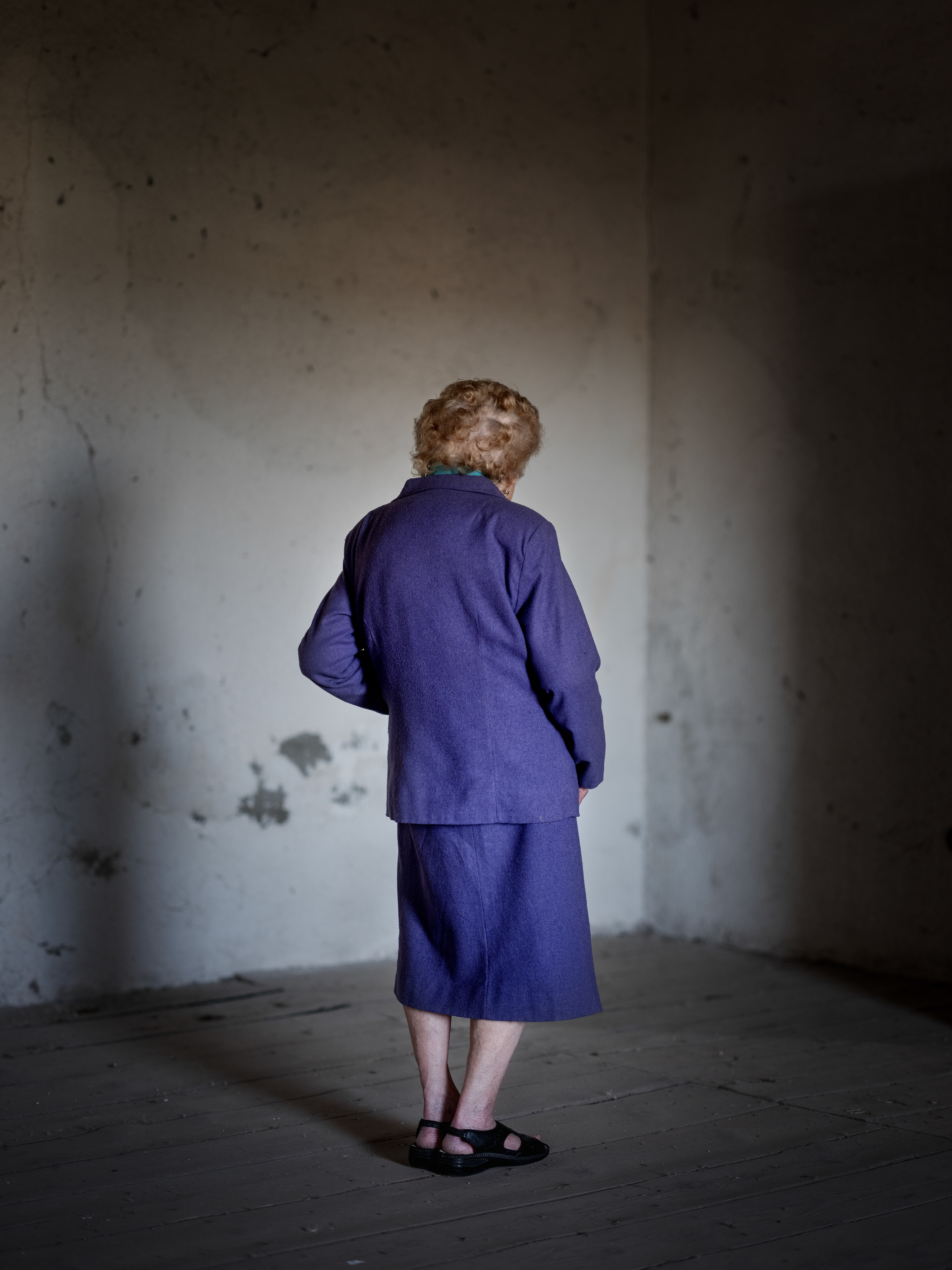
A través de una serie de retratos de mujeres mayores del ámbito rural y de imágenes aparentemente abstractas de un colegio jesuita del siglo XVI, el proyecto plantea una pregunta: ¿Qué sucede con las trayectorias invisibles, especialmente de las mujeres, cuando su recuerdo no está en los libros de Historia y solo persiste en ellas mismas y en sus contextos más cercanos?
Realizados con la luz que ilumina el espacio desde hace cinco siglos, los retratos buscan responderla, creando una narrativa alternativa para un lugar concebido para el conocimiento y la memoria masculina. Frente al relato oficial que consagra nombres en mayúsculas, Huellas es también una acción política: un gesto de resistencia que afirma la presencia de estas mujeres en el espacio común y en la memoria colectiva.
Huellas is a photographic essay driven by a threefold purpose: to portray with solemnity people who have been historically underrepresented, to re-signify a space shaped by exclusion, and to expand the language of photographic portraiture to embrace diverse bodies.
Through a series of portraits of elderly women from rural communities, alongside seemingly abstract photographs of a sixteenth-century Jesuit college, the project poses a question: What becomes of invisible life stories—particularly those of women—when they are absent from the pages of History and survive only in their own memories and in those of the communities closest to them?
Made using the same light that has illuminated this space for the past five centuries, the portraits seek to answer that question by constructing an alternative narrative for a place originally conceived as a repository of knowledge and male memory. In contrast to the official historical account, which immortalizes names in capital letters, Traces is also a political act: a gesture of resistance that affirms these women's presence within shared space and collective memory.
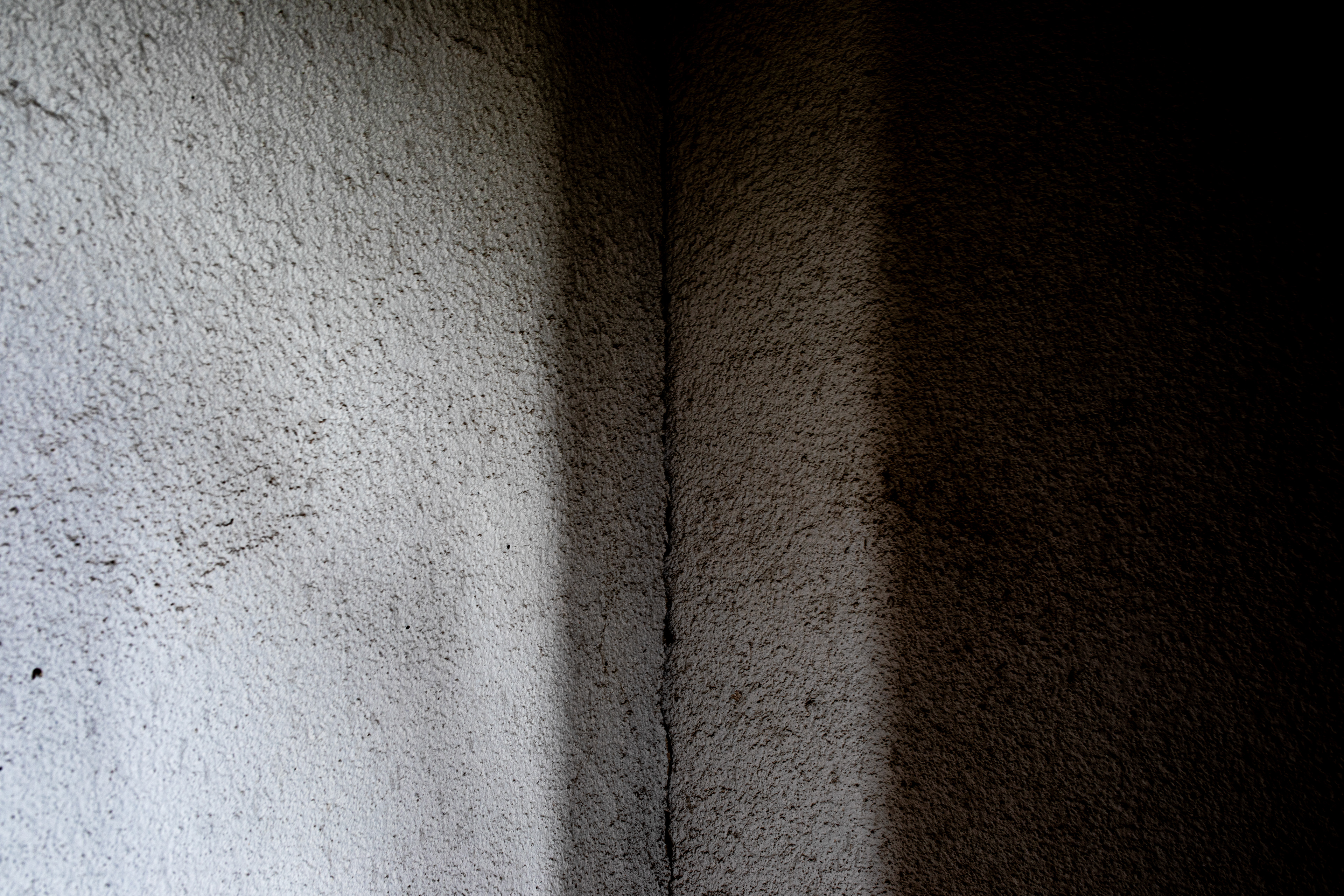
Huellas es una acción artístico-política donde la fotografía se convierte en herramienta para ocupar un espacio, construir memoria y generar conocimiento colectivo. El proyecto reunió a 15 mujeres mayores de 60 años del pueblo de Arévalo —un municipio históricamente relevante y hoy afectado por la despoblación— para ser retratadas en un antiguo colegio jesuita fundado en 1593, destinado originalmente a la educación masculina.
Todas tenían un vínculo previo con el lugar: estudiaron allí cuando fue colegio público, trabajaron o lo frecuentaron cuando funcionó como bar. Por ello, la elección del espacio no fue impuesta, sino fruto de un proceso conjunto de escucha entre las mujeres y la fotógrafa, quienes decidieron habitarlo desde sus memorias. La acción fotográfica fue un acto colectivo: todas las presentes, fotógrafa incluida, ocupábamos el espacio con nuestra presencia y creábamos una obra que reivindica el derecho de estar y generar conocimiento en un sitio que antes excluía a las mujeres.
Hoy en ruinas, el edificio aún guarda señales de esa exclusión. Huellas propone una nueva narrativa para el espacio: la presencia serena de estas mujeres en los retratos afirma su derecho a estar, transmitir conocimiento sobre sí mismas y crear un patrimonio histórico más diverso. El proyecto se alinea con los ODS, abogando por la reducción de las desigualdades, el honor a la mujer mayor rural y por la construcción de conocimiento para un futuro más inclusivo y diverso.
Huellas is an artistic and political intervention in which photography becomes a tool for occupying space, building memory, and generating collective knowledge. The project brought together fifteen women over the age of sixty from the town of Arévalo—a place of considerable historical significance that is now affected by rural depopulation—to be photographed inside a former Jesuit college founded in 1593, a building originally established for the education of men.
Each woman had a personal connection to the site: some had studied there when it served as a public school, others had worked there or frequented it when it later became a bar. For this reason, the choice of location was not imposed but emerged through a shared process of listening and dialogue between the women and the photographer, who collectively decided to inhabit the space through their own memories. The photographic act became a collective gesture: everyone present—including the photographer—occupied the space together, creating a work that reclaims the right to exist, belong, and produce knowledge in a place that once excluded women.
Now in ruins, the building still bears traces of that history of exclusion. Traces proposes a new narrative for the site: the quiet presence of these women within the portraits affirms their right to inhabit the space, to speak from their own experience, and to contribute to a richer and more inclusive historical legacy. The project aligns with the United Nations Sustainable Development Goals by advocating for the reduction of inequalities, honouring older women from rural communities, and promoting the creation of knowledge in support of a more inclusive and diverse future.